

 English
 Español
No. 55, 4th Binhai Road, Qianwan New Area, Ningbo, Zhejiang Province
+86-574-58580619

Many operators make the same error: they look at the average number of covers per day and choose a machine that handles that average. Ice demand is not flat. Friday and Saturday dinner service can draw two or three times the volume of a Tuesday lunch. A machine sized on the average will always run out at the worst possible moment, when the dining room is full and the bar is two drinks deep.
The sizing baseline should be the busiest day of the week, plus a 30–50% safety margin. A restaurant that serves 120 covers on Tuesday and 320 on Saturday should plan for 320 guests, not the 220 average. Once the peak count is set, the next step is assigning an ice volume to every guest and every serving point. The table below lists the consumption figures commonly used by restaurant equipment planners.
| Serving point | Portion size | Ice used per serving | Notes |
|---|---|---|---|
| 12 oz soft drink | 12 fl oz cup | 4–6 oz | Ice fills roughly one-third of the cup before syrup and soda |
| 8 oz table water | 8 fl oz glass | 2–3 oz | Often pre-poured before guests are seated |
| 16 oz iced tea | 16 fl oz glass | 5–7 oz | Free refills can double the per-guest total |
| Cocktail on the rocks | 10–12 oz glass | 6–8 oz | Large-format or clear cubes weigh more |
| Frozen / blended drink | 12–16 oz cup | 8–12 oz | Blender drinks consume more ice by weight |
| Salad bar or buffet bed | Display tray | 10–20 lb per tray per 4 h | Melting display ice is replaced continuously |
Example: a 90-seat full-service restaurant with a 12-seat bar. Peak Saturday dinner generates 220 guests. Of those guests, 150 order a soft drink or iced tea, which uses about 6 oz of ice per glass, giving 900 oz or 56 lb. Another 60 guests order a cocktail on the rocks, consuming about 7 oz each, or 420 oz (26 lb). The bar rail itself needs roughly 15 lb of backup ice per night. The salad bar holds two display trays and consumes about 25 lb over four hours. The subtotal is 56 + 26 + 15 + 25 = 122 lb. At peak season, the manager should multiply by 1.5, which yields 183 lb (83 kg) of ice for that day. A machine rated at 90 kg/24 h would cover the demand but leave almost no margin during a heat wave; a 140–160 kg unit would run a healthier duty cycle and extend the life of the compressor.
For a deeper breakdown of daily demand by operation type, see our earlier analysis of how much ice a restaurant or hotel needs per day.
Ice machine output is measured in kilograms or pounds per 24 hours. That test is performed at a controlled 70°F air temperature with 50°F feed water. Restaurant kitchens rarely match those conditions. When the ambient temperature around the condenser rises, the refrigeration system works harder to reject heat, and the harvest cycle stretches. Air-cooled machines lose roughly 8–15% of rated capacity at 90°F ambient; water-cooled machines lose less, but they consume more water and may be restricted in some cities.
| Ambient air | Feed water | Capacity retention | Equivalent output for a 90 kg/24 h machine |
|---|---|---|---|
| 70°F / 21°C | 50°F / 10°C | 100% | 90 kg (198 lb) |
| 80°F / 27°C | 60°F / 16°C | 92–95% | 83–86 kg (183–189 lb) |
| 90°F / 32°C | 70°F / 21°C | 85–88% | 77–79 kg (169–174 lb) |
| 100°F / 38°C | 80°F / 27°C | 75–80% | 68–72 kg (150–158 lb) |
The practical takeaway is to use a 0.85 multiplier when planning an air-cooled machine in a standard kitchen, and 0.80 if the unit sits near a grill, fryer, or another heat source. If the demand calculation shows 120 lb per peak day, the ordered machine should be rated at 120 ÷ 0.85 = 141 lb (64 kg), not 120 lb.
Duty cycle also matters. A machine that is just big enough runs almost continuously during peak hours. A machine that is moderately oversized cycles less, produces ice ahead of the rush, and consumes less energy over a full season because it does not push the compressor to its limit every evening. The goal is to size for the peak day, not for the absolute worst hour, and to keep the duty cycle below 80%.
The table below translates common restaurant profiles into practical starting points. These figures assume a normal menu mix of soft drinks, tea, water, and bar service, and they already include the 0.85 derating factor for air-cooled machines.
| Operation | Seats | Peak ice need | Suggested production rating | Typical machine class |
|---|---|---|---|---|
| Cafe / bakery counter | 20–30 | 40–60 lb (18–27 kg) | 70–100 lb (32–45 kg) | Countertop or under-counter |
| Quick-service / food truck | 30–50 | 60–100 lb (27–45 kg) | 100–180 lb (45–80 kg) | Under-counter, 45–80 kg |
| Diner / family restaurant | 60–80 | 120–200 lb (55–90 kg) | 200–300 lb (90–135 kg) | Under-counter or modular |
| Full-service with bar | 80–120 | 250–400 lb (115–180 kg) | 350–550 lb (160–250 kg) | Modular, 160–250 kg |
| Banquet / hotel kitchen | 150+ | 500–800 lb (230–360 kg) | 700–1,000 lb (320–450 kg) | Modular, possibly two units |
For a small cafe or bakery counter, a self-contained 45 kg/24 h unit covers most peak days and fits under a prep table or at the end of a beverage counter. The HZB45 series runs on multi-voltage power and includes its own storage bin, which simplifies installation in leased spaces.
 HZB-45 Self-Contained Ice Maker for Small Cafe CountersA compact 45 kg/24 h unit with a 15 kg bin fits under prep tables, supports multiple voltages, and suits light-to-moderate cafe or bakery peak demand.View Product →
The shape of the ice changes how much you need, how fast it melts, and how it behaves in the storage bin. A full cube has a relatively small surface area for its volume and melts slowly, which makes it a good choice for spirits on the rocks and carbonated drinks. A half cube freezes faster per batch and fits standard beverage glasses without bridging. Nugget ice is soft, chewable, and compresses in the bin, so a bin holds more weight of nugget ice than cubed ice, but nugget production cycles are slower. Flake ice packs tightly around food and is the standard for self-serve beverage dispensers and display counters.
Hard, dense, slow-melting. Best for premium spirits, on-the-rocks service, and carbonated soft drinks. Stores evenly with low bridging.
The workhorse shape for everyday beverage service. Freezes faster and drops into glasses cleanly. Ideal for iced tea, lemonade, and mixed drinks.
Soft, porous, and chewable. Compresses in storage so each bin holds more weight. Best for blended drinks and guest-facing dispensers.
Low individual weight and fast melt. Best for salad bars, seafood displays, and smoothie stations where ice needs to wrap around the product.
High clarity and very slow melt. Produced with longer freeze cycles. Best for premium bars and whiskey service where appearance matters.
| Ice shape | Relative production | Storage behavior | Best application |
|---|---|---|---|
| Full cube | Baseline | Bins evenly; low bridging | Cocktails, on the rocks |
| Half cube | 10–15% faster cycle than full cube | Bins evenly; slightly denser | General beverage service |
| Nugget | Slower harvest; higher water content | Compresses; more weight per bin | Chewable ice, blended drinks |
| Flake | Fast production; soft flakes | Packs densely; melts fastest | Display, seafood, smoothies |
| Clear cube | 20–30% slower than regular cube | Hard and heavy; less bridging | Premium spirits and cocktails |
Do not choose a nugget or flake machine simply because the sales sheet lists a higher hourly output. Nugget ice compacts in the bin, which looks like more ice than actually exists by weight. A restaurant that plans for 150 lb of cube ice per day but switches to nugget should keep the same production target, and should expect the bin to fill more slowly because the nugget harvest cycle takes longer.
A machine rated at 200 lb/day with a 60 lb bin will still run dry during a dinner rush. Ice makers harvest in batches. Between batches, guests continue to draw down the bin, so storage has to act as a buffer that covers the busiest continuous serving window. A practical rule is to select a bin that holds at least 50% of the daily production, and ideally enough ice for two to three hours of peak drawdown.
For modular machines, where the ice head sits above a separate insulated bin, the bin can be selected independently to match the operation. For self-contained machines, storage capacity is part of the unit. That is why a self-contained machine with 90 kg of daily production but only 25 kg of integral storage can be the wrong choice for a restaurant that batches cocktails at the bar while the kitchen also pulls ice for the salad bar. Compare the full range of commercial ice makers with storage bins to balance production and holding capacity.
Nugget ice compacts as it falls, so it stores more weight per cubic foot, but it can also bond into a block in the bin if left untouched for hours. Break up the top layer during slow service. Cube ice, by contrast, stores cleanly but takes up more volume per pound.
The condenser type changes both the physical installation and how the machine behaves in a hot kitchen. Air-cooled machines push heat into the room and need good ventilation. Water-cooled machines reject heat through a water loop, which keeps capacity stable in warm kitchens but increases water and sewer bills. A remote condenser mounts the hot coil on the roof or an exterior wall, keeping kitchen heat down and capacity stable in summer, at the cost of a more complex installation.
| Condenser type | Best location | Capacity in hot kitchens | Running cost | Maintenance |
|---|---|---|---|---|
| Air-cooled | Ventilated indoor space | Derates 8–20% above 90°F | Lowest energy cost | Clean air filter monthly |
| Water-cooled | Hot, enclosed spaces | Holds capacity near nameplate | Higher water and sewer cost | Scale and valve checks |
| Remote condenser | Machine inside, condenser outside | Stable all year | Moderate | Refrigerant line installation |
The chart above explains why many high-volume kitchens in warm climates choose water-cooled or remote systems. An air-cooled 90 kg unit in a 95°F kitchen actually produces about 70 kg. The operator who planned around 90 kg will run short. The operator who plans around 70 kg and selects a 110–120 kg machine will be safe.
The physical layout of the machine determines where the ice is made and how far workers carry it. Ice melts on its way to the glass. Long trips across a hot kitchen mean the first ice into the glass is already weeping before it arrives, which dilutes drinks and shortens the perceived freshness of the ice.
Fits on a beverage counter or prep table. Small integrated bin, best for cafes, bars, and takeaway counters with modest peak demand.
Occupies no floor space. Fits below the bar rail or pass table. Front-venting models allow built-in installation without recess clearance.
Ice head sits on a separate large bin. Best for back-of-house installations where storage must match the full production volume.
For bar-led operations, an under-counter machine keeps the ice at rail height and shortens the distance between harvest and glass. A 90 kg unit in this class can supply the bar and a secondary prep counter at the same time without stealing floor space from the service area. The HZB90F series is built for exactly this role, with multi-voltage compatibility and a high-capacity evaporator that sustains output through back-to-back service rushes.
 HZB-90F High-Capacity Under-Counter Ice Maker for BarsThis 90 kg unit with a 30 kg bin keeps ice at rail height, handles bar and prep counter demand, and sustains output during busy service rushes.View Product →
When production needs climb past 100–120 kg, modular machines become the standard. The ice head sits on a separate large bin, storage expands as needed, and maintenance is simpler because the bin is a standalone component. In this class, an industrial-grade 160 kg unit handles the combined output of a hotel breakfast buffet and a banquet kitchen, or a high-volume restaurant with a bar and a separate beverage station.
 HZB-160F Industrial-Grade Modular Ice Maker for High VolumeA modular 160 kg machine with 100 kg storage suits large restaurants, banquet kitchens, or event venues, offering expandable bins and simpler maintenance.View Product →
Before committing to a machine size, confirm three installation facts. These details will not change the production number, but they will tell you which machine class can physically be installed in the available space.
Feed water temperature is another hidden variable. For every 10°F increase in incoming water temperature, ice production drops by roughly 8%. A machine receiving 50°F water from a basement line will outperform the same machine fed with 75°F water from a hot utility room. If your water heater is near the ice machine connection, insulate the cold line or extend the run so the machine draws cooler water.
Most restaurant ice shortages are not mechanical failures. They are planning errors. Avoid the five most expensive ones.
A typical full-service restaurant uses 1–2 lb per seat per day for beverages alone. Add bar service and the total climbs to 2–3.5 lb per seat. A 60-seat restaurant with a bar usually consumes 120–180 lb on a normal day and 200 lb or more on a Friday or Saturday.
For 50 seats with beverage service, calculate about 50 lb for food service plus 30 lb for the bar, or 80 lb on an ordinary day. Apply a 1.5 peak factor, which gives 120 lb (55 kg), then divide by 0.85 for air-cooled derating, which gives 141 lb (64 kg). A 70–90 kg/24 h machine is a comfortable, practical answer for this operation.
No. A unit that is 2.5–3 times larger than demand cycles less often but costs more upfront and wastes energy maintaining a larger bin. The right bias is moderate oversizing: 1.3–1.8 times the calculated daily demand, including the derating factor.
Yes, for automatic purge and cleaning cycles. Some standalone countertop machines collect melt water in a removable tray, but commercial production machines require a gravity drain or a pump kit. Check the local plumbing code before placing the machine.
With filtered water and regular cleaning, a commercial machine lasts 8–12 years. With hard water and no descaling, expect 4–6 years and progressively lower output after the second year. The storage bin liner and water inlet valve are the first parts to wear.
Only if the production capacity covers both peaks at the same time and the storage bin is large enough. Many restaurants run one under-counter machine at the bar and a modular unit in the kitchen. Ice transported across a hot kitchen melts along the way, so the distance between the machine and the point of use matters more than owners usually expect.
The final size decision is a calculation, not a guess. Write down your peak guest count, list every serving point that draws ice, multiply by the ice weight per serving, add a 1.5 peak factor, and divide by the derating multiplier for your condenser type. This produces the minimum production rating. Adjust the ice shape and storage bin according to your menu and kitchen layout.
HiconTech has manufactured ice makers since 2003 and operates a 220,000-square-meter production base in Ningbo, with an annual capacity of more than 8 million cooling units delivered to customers in more than 80 countries. Our factory engineers review restaurant floor plans and beverage demand with operators every week. If your restaurant project needs a specific production figure, send us the seating count, menu type, and kitchen measurements, and we will recommend a machine class with a matching bin size.

This 20KG fully automatic ice dispenser is tailored for commercial environments that demand high efficiency and hygiene standards. It has a stable daily ice production of 20kg/24H, continuously supply...
READ MORE
This 160KG industrial-grade ice maker is a premium device designed for ice product manufacturing, large restaurant chain central kitchens, or extra-large event venues. It provides an impressive daily ...
READ MORE
The BC-113 series is the ideal main refrigerator for small homes or apartment kitchens, and is also often used as a dedicated refrigerator for storing specific items such as cosmetics and beverages. I...
READ MORE
The HBZB-30N Dual-Chamber High-Efficiency Built-In Ice Maker features a rated input power of 220W and can stably produce 30 kilograms (66 pounds) of pure ice within 24 hours, ensuring an ample supply ...
READ MORE
The HBZB-36F High-Capacity Built-In Clear Ice Maker is designed for commercial establishments and high-end residential environments. This unit boasts a daily production capacity of 36 kilograms (80 po...
READ MORE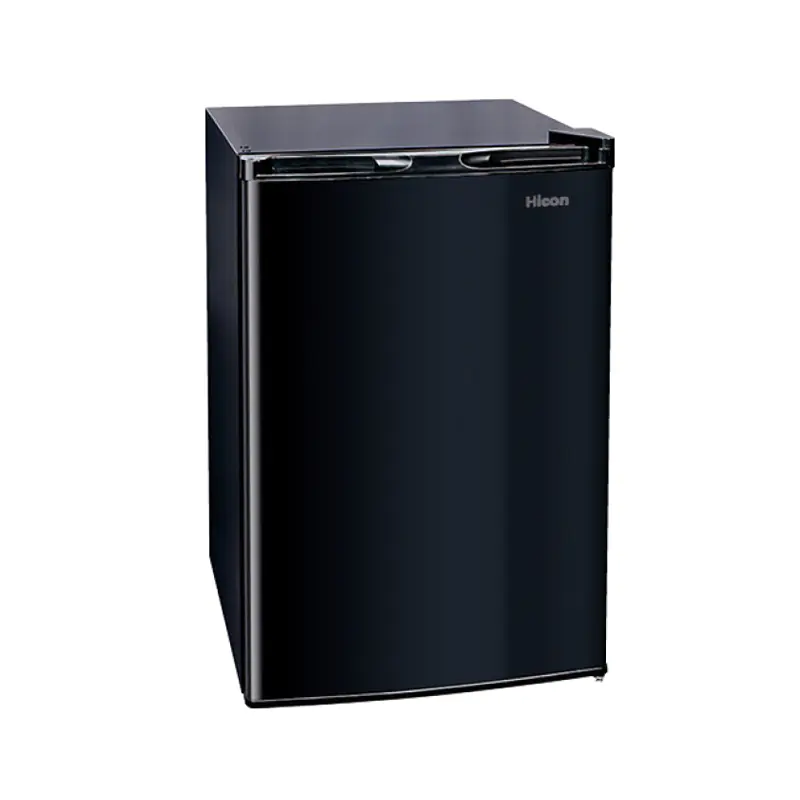
The BC-128C series is tailored for commercial customers and distributors seeking consistency, high performance, and global compatibility. With a capacity of up to 128L..." With an effective volume of ...
READ MORE
With new image and advanced management, Hicon is offering quality products and good service to the world!
No. 55, 4th Binhai Road, Qianwan New Area, Ningbo, Zhejiang Province
+86-574-58580619
